“You’re teaching this??”
“They teach that at university. :D”
“Those who can’t, teach.”
“I’ve loaded film and shot on the Arriflex 416 and 235, but I still wouldn’t teach people about it.”
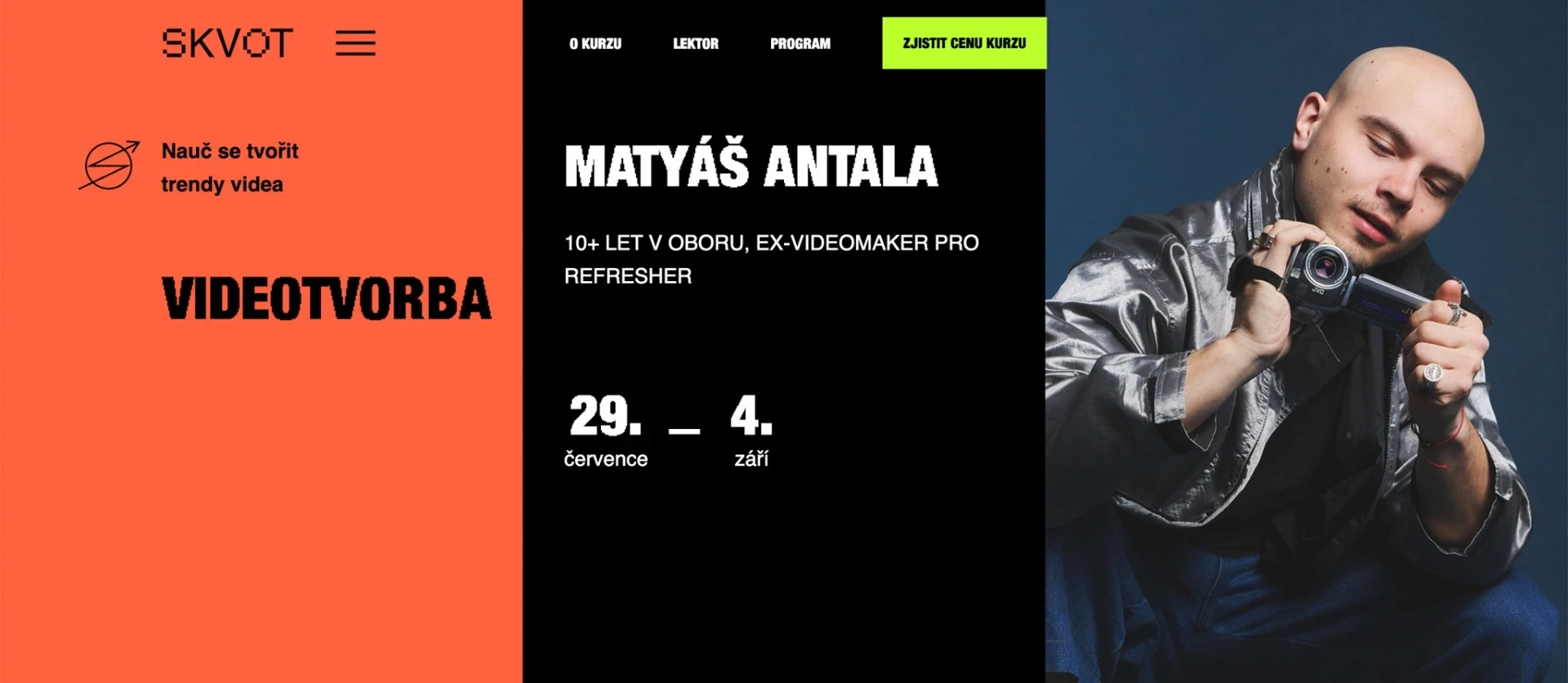
When I first mentioned on social media that I was putting together a video production course for the education platform SKVOT, a few people I knew gave me a bit of a hard time. Some had been in the industry for years and specialised in a particular role they were genuinely good at.
How did that make me feel? Honestly, I had some doubts. I started asking myself:
Am I good enough for this? Will I have anything to teach people? Will they get enough value for their money?
But the longer I worked on the course and the more comprehensive it became, the calmer I felt. I realised I was not a specialist. I did not have deep knowledge of any one particular role in video production that I could teach in real depth.
My strength lies somewhere completely different. My acquaintance may shoot on an Arriflex and operate a Ronin on major projects, but that is not necessarily as valuable to beginners and slightly more experienced creators. I have never specialised narrowly during my career. That can be a disadvantage in positioning and sales—if you try to sell to everyone, you sell to no one—but having worked across almost every format gives me a broad perspective. It means I can introduce beginners to this beautiful craft in a very comprehensive way.
Although those comments stirred up some insecurity, they also gave me more motivation to make the course really good. I spent an enormous amount of time on it and clarified several things for myself while putting it together. I see that as a huge benefit in its own right. When you want to explain something to someone else, you organise it more clearly in your own head.
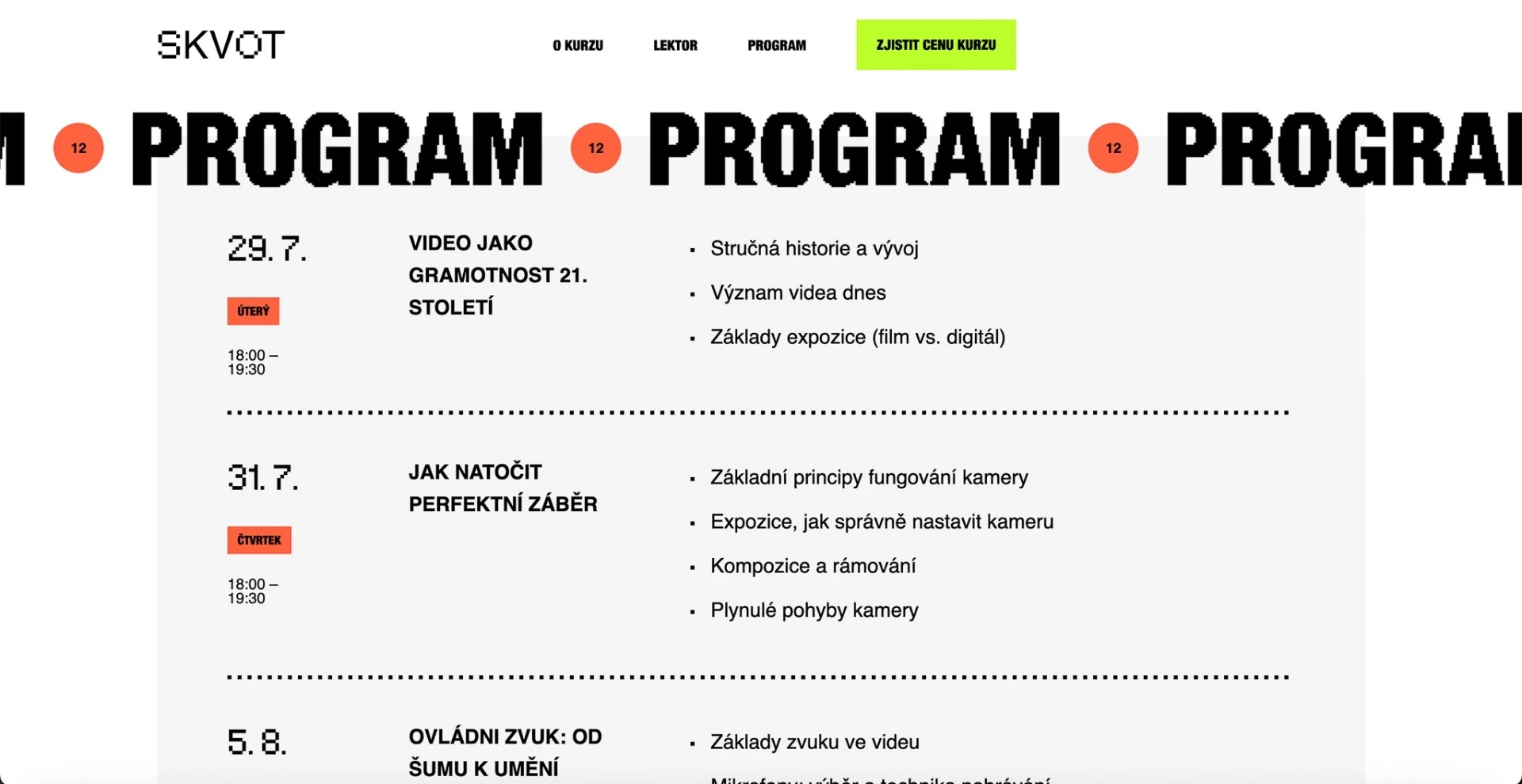
The course ran from 29 July to 4 September and had 22 students.
I was a little nervous during the first lesson. The students were connected, I opened my presentation, switched on the camera and microphone, and got started. For the first ten minutes, I introduced myself and described my career journey. There was no response, just quiet observers with high expectations.
Then the students began taking an active part. As soon as I received that first feedback, everything became much easier. I felt reassured that the students accepted me and that the course was giving them the value they expected. After the first lesson, I felt at home, and the remaining eleven lessons were full of confidence and enthusiasm.
It taught me that even if you are not a narrowly specialised expert, there can be real value in the breadth of your experience and your ability to pass it on. If you feel you have something to share but are held back by doubts about being “good enough”—go for it. Students and colleagues will appreciate your authenticity and perspective, even if you do not have a film-school degree.
If you would like to read more about me and my journey, an interview with me was published as part of the course promotion. I opened up quite a bit in it. Thanks, and take care!